Skip to content
++ FRI 29 MAY · 17:30 → 21:00 OPENING · SAT 30 MAY · 11:00 → 19:00 · SUN 31 MAY · 11:00 → 14:00 · 6 GALLERIES · 3 TOURS · FREE ENTRY ++++ FRI 29 MAY · 17:30 → 21:00 OPENING · SAT 30 MAY · 11:00 → 19:00 · SUN 31 MAY · 11:00 → 14:00 · 6 GALLERIES · 3 TOURS · FREE ENTRY ++++ FRI 29 MAY · 17:30 → 21:00 OPENING · SAT 30 MAY · 11:00 → 19:00 · SUN 31 MAY · 11:00 → 14:00 · 6 GALLERIES · 3 TOURS · FREE ENTRY ++++ FRI 29 MAY · 17:30 → 21:00 OPENING · SAT 30 MAY · 11:00 → 19:00 · SUN 31 MAY · 11:00 → 14:00 · 6 GALLERIES · 3 TOURS · FREE ENTRY ++

VI · EDITION · 2026

Gallery Weekend
Donostia · San Sebastián

29.05 > 31.05.2026

Statement · Irekiak 2026

IREKIAK Gallery Weekend changes date

IREKIAK Gallery Weekend Donostia, marks the opening of the exhibition season across San Sebastian`s galleries and will now take place in May. CHANGES DATE. Unlike other Spanish cities. San Sebastián comes into its own from spring onwards, when it begins to welcome a significant numbers of visitors from around the world.

It is for this reason that DAGGE, the Association of Contemporary Art Galleries of Donostia, has decided to hold this event annually in May. The sixth edition of IREKIAK Gallery Weekend has been rescheduled with the aim of becoming an annual arts event that plays a key role in San Sebastián`s social, tourism, and cultural life.

The opening will take place on May 29th featuring a packed programme of open-door exhibitions over the weekend; an engaging encounter with art, artists, residents, and visitors wishing to explore the galleries and the works on display in a relexed and informal manner.

06 · Exhibitions of the edition

Exhibitions

Each gallery opens a solo exhibition for Gallery Weekend Irekiak.

Rafa Satrústegui, Madrid, 1960 — Sugerencias prusianas

1. ARTEKO

Sugerencias prusianas

Rafa Satrústegui, Madrid, 1960

With Donostian roots and ties, Rafa Satrústegui presents his work in a solo exhibition in San Sebastián for the first time in 22 years. The last was in 2004 at Galería Dieciséis, under the direction of Gonzalo Sánchez, who passed away in 2007.

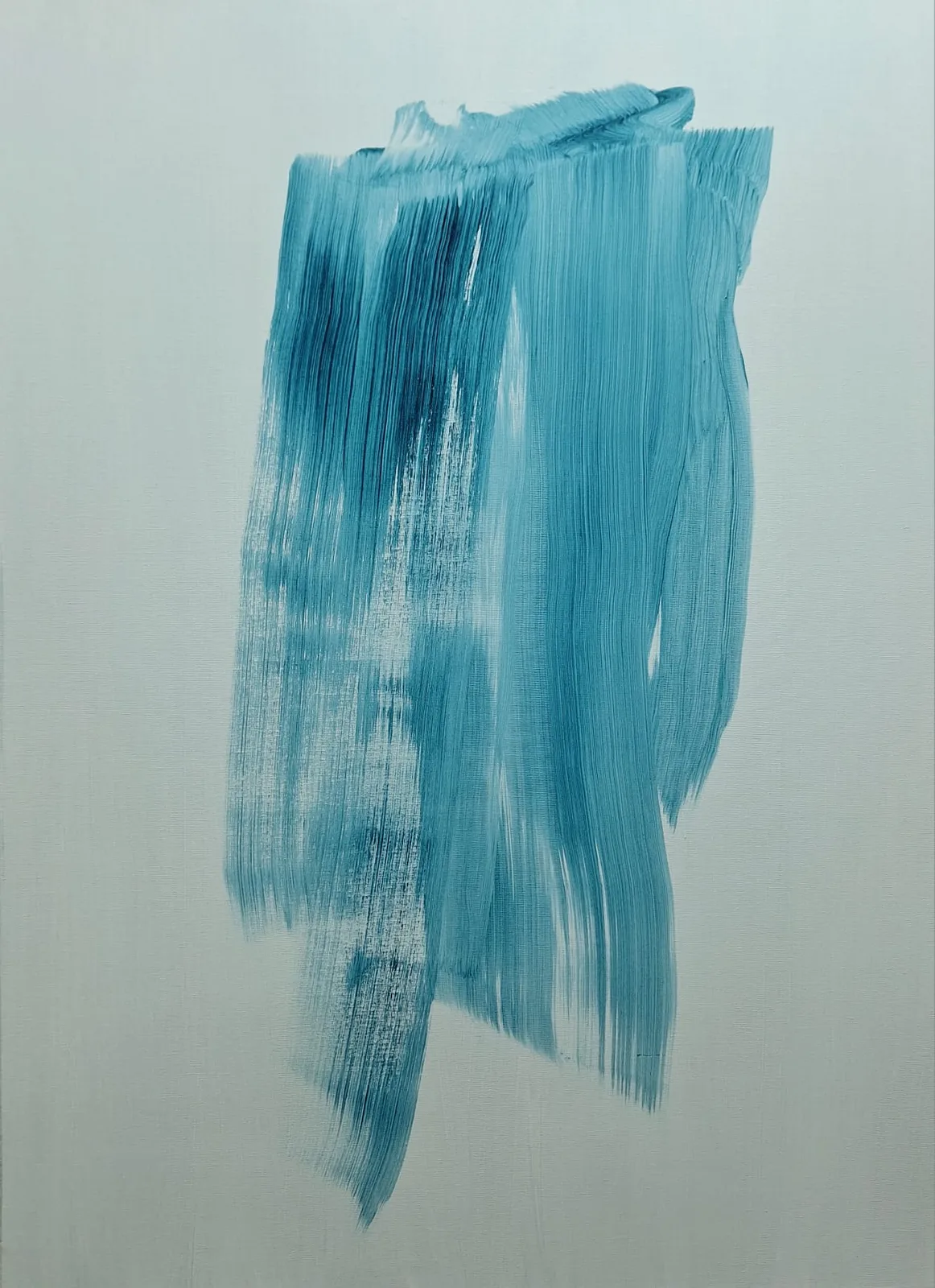
With his habitual delicacy and lyricism, the artist returns to Donostia — now to Arteko gallery — with a series of paintings and works on paper in which he seeks to convey, using the barest of resources and registers, the power and versatility of gesture, exploring its frontier with the sign. To do so he silences every colour but Prussian blue, the near-exclusive pigment of this exhibition titled Sugerencias prusianas.

Visit gallery
Miren González Goikoetxea — Bizi-min-bizi

2. ARTEZTU

Bizi-min-bizi

Miren González Goikoetxea

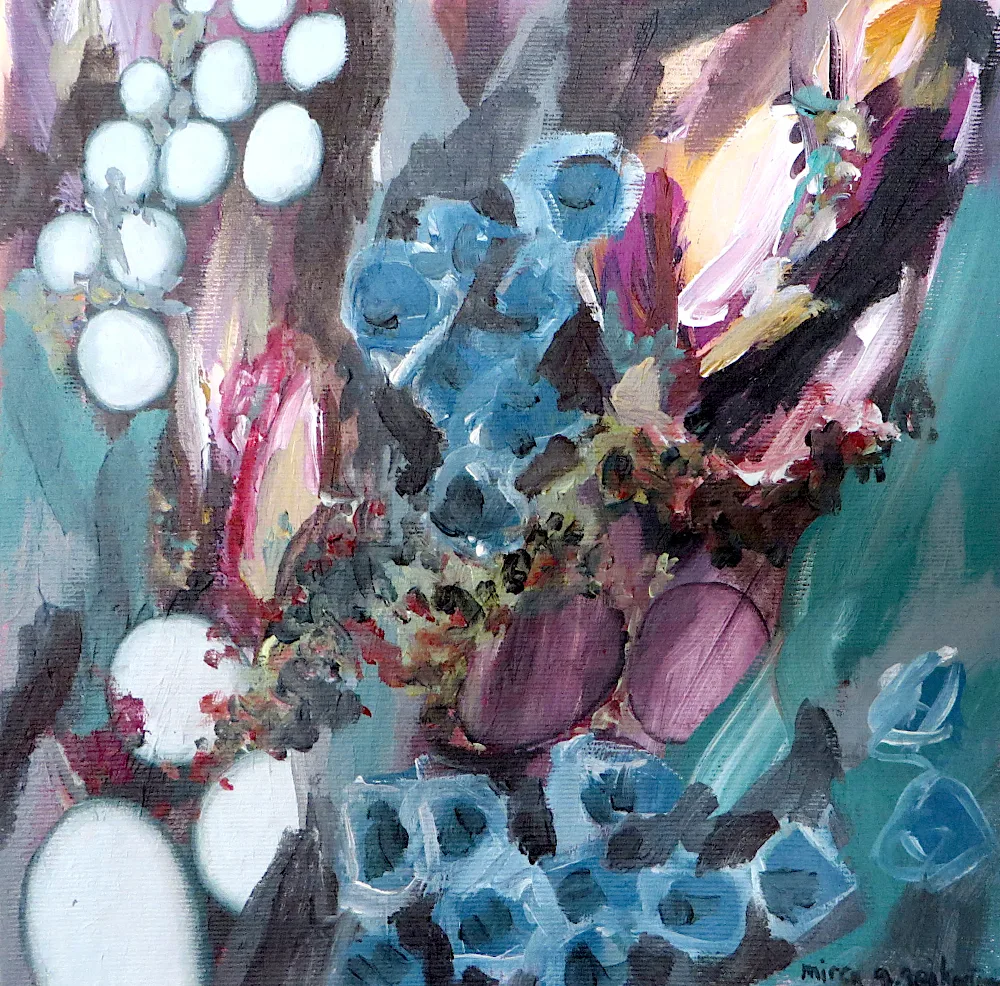
Three years ago, something close to home had a profound impact on me: cancer. The weight of the word itself is overwhelming. I decided to approach the disease with the intention of supporting, collaborating, visualizing, and normalizing it. From this came my painting project "Bizi-min-bizi / Close to Cancer".

I worked for a year and a half in the Anatomical Pathology Department at Donostia Hospital, with the help of Dr. Manuel Moreno Valladares, looking through the microscope and drawing on-site biopsies of different cancers. The three-hour sessions extended into the studio with medium-format acrylic works; for the next year and a half, I worked in oils, on larger formats and with freer interpretations.

Purple and lilac dominate: most biopsies are stained with eosin to visualize the cells, and the dye is this color. The human need to be connected to others, just as neurons or cells need each other to function, is a constant theme in my work.

Visit gallery
Ruoxi Jin — Ruoxi Jin

3. CIBRIÁN

Ruoxi Jin

Ruoxi Jin

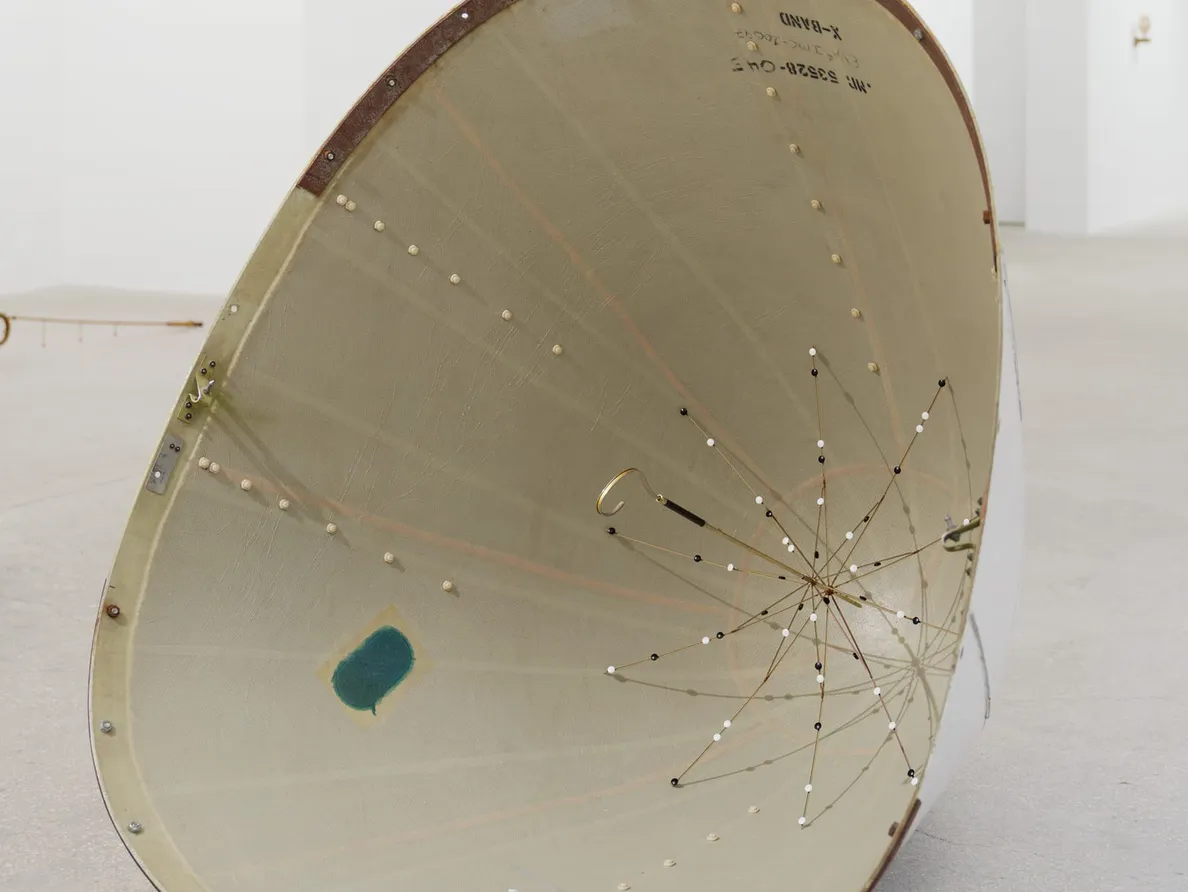
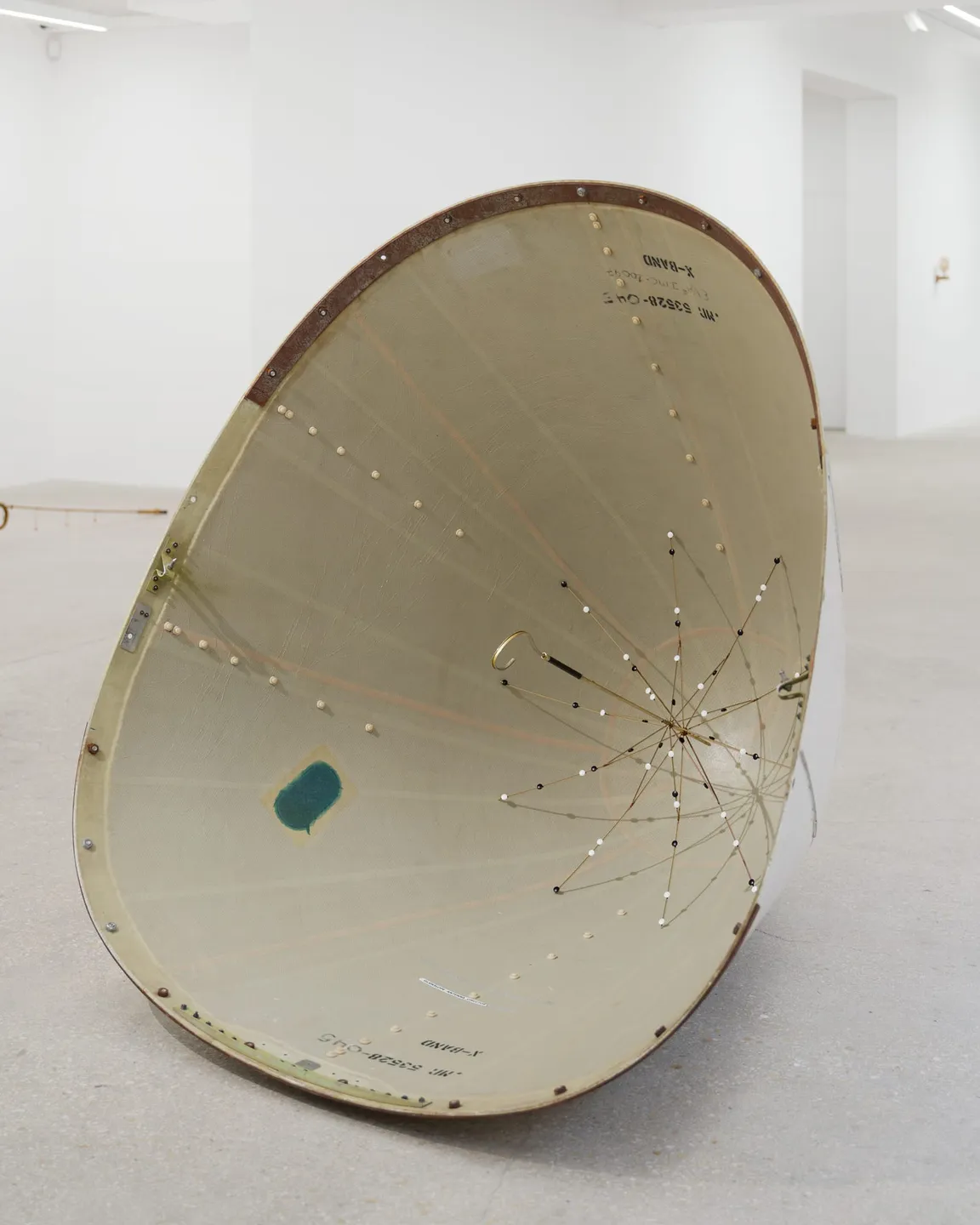
Ruoxi Jin (Harbin, 1997, China) works primarily in sculpture and performance, weaving intricately constructed narratives in which genealogical anecdotes and magic tricks converge.

A sense of fluidity runs through Jin's practice, echoing not only the past lives of the objects she combines, but also those of the artist herself. The virtuosity of her heteroclite assemblages reflects a poetic vision open to crossings and associations. Assemblage becomes not only a formal inquiry but a means of fostering affective bonds and shared experiences.

Ruoxi Jin graduated from the École Nationale Supérieure des Beaux-Arts in Paris in 2024. Her recent solo exhibitions include MA Félicité, Frac Île-de-France, Paris, 2026; Microclimats at Galerie Mennour, Paris, 2025; Prix sur demande at Galerie du Crous, Paris, 2025; REGRETS, DNSAP, Beaux-Arts de Paris, Paris, 2024.

Visit gallery
Mikel Lertxundi — Nature Harmony Poetry

4. EKAIN

Nature Harmony Poetry

Mikel Lertxundi

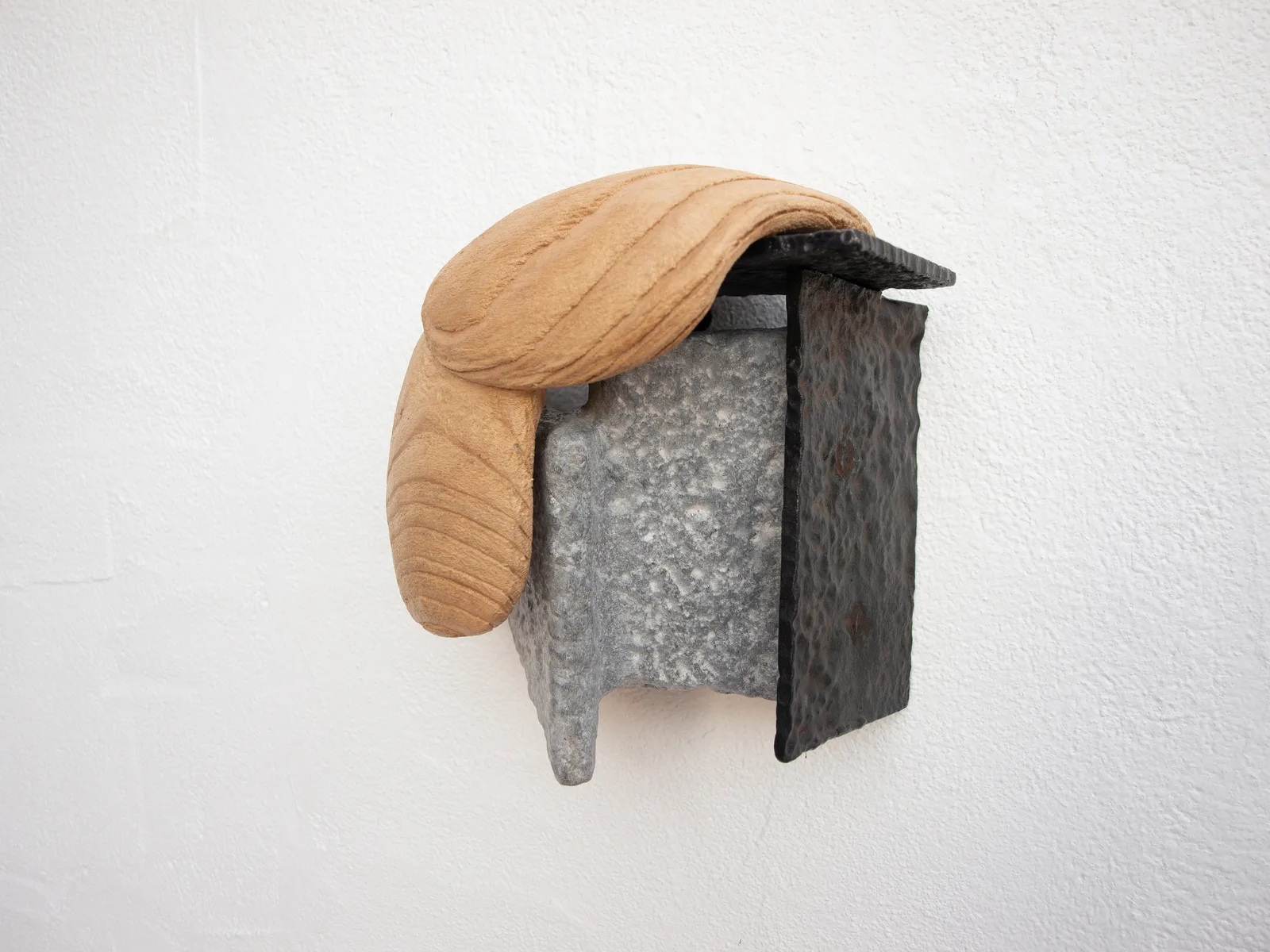
Ekain Arte Lanak presents Mikel Lertxundi's small-format sculptures and drawings from the exhibition Nature Harmony Poetry.

The artist has transformed heavy, robust materials — stone, wood, iron — into light and fragile ones, emptying them of matter and filling them with suggestions and messages, turning them into precious objects, almost amulets.

A proclamation of the great and profound values of the small, and a pleasurable proposal to every sense and for every sense, to the point of provoking a tactile gaze.

A timeless aesthetic contribution to tradition and centuries of history. An invitation to discover poetry in the harmony of nature.

A way of bringing the Earth and its inherent equilibrium closer to the viewer, to offer a breath and a pause in these times of instability and accelerated change.

Visit gallery
María Castilla — Gipuzkoan

5. LA CENTRAL ART GALLERY

Gipuzkoan

María Castilla

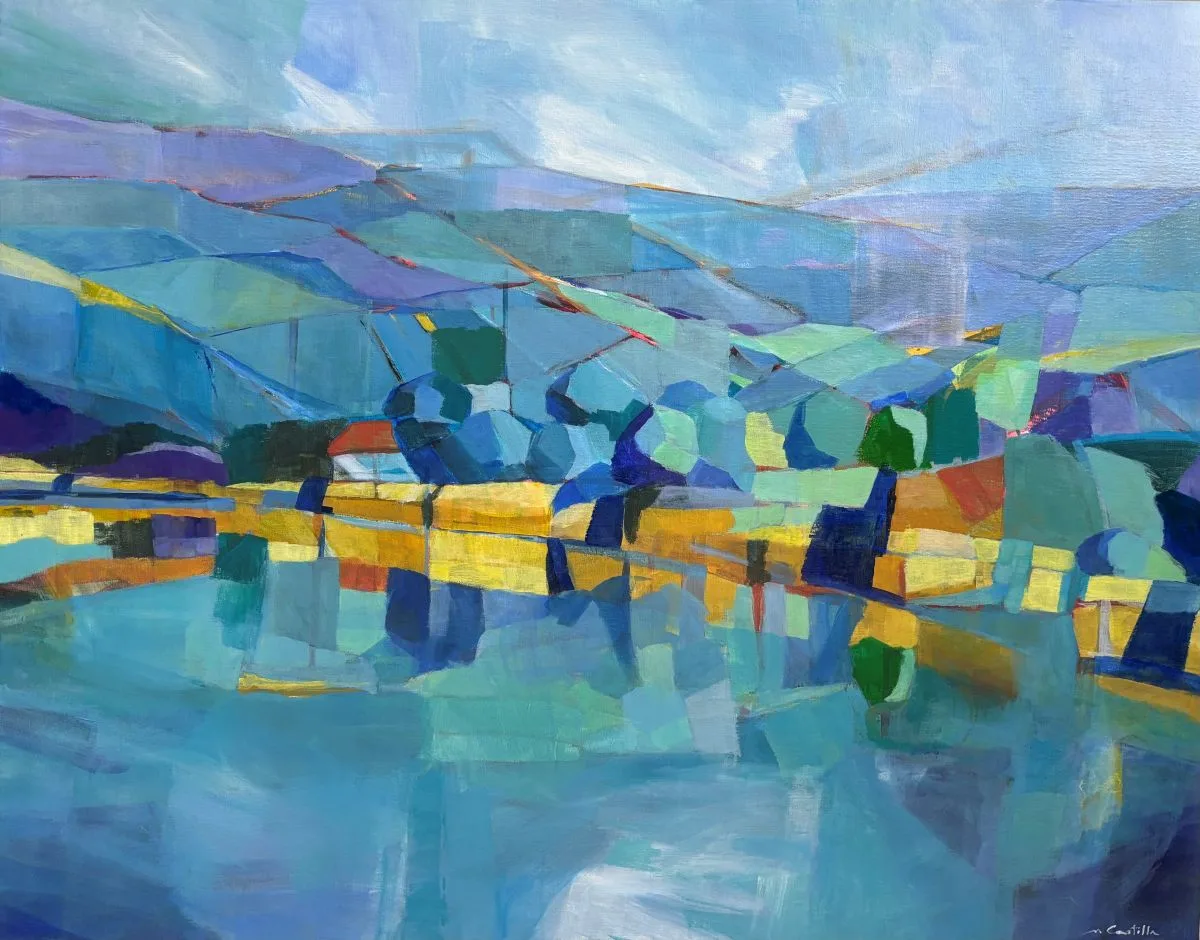
María Castilla’s painting belongs to a clearly recognizable tradition, that of landscape reinterpreted through the avant-gardes, yet she approaches it from a personal position that avoids both literalness and nostalgia. Her work does not describe nature: it reconstructs it.

The guiding thread of her work is a synthesis between perception and structure. The artist takes the landscape, the mountains of Gipuzkoa and the constant presence of the sea, as a sensory experience. Yet she subjects it to a process of formal purification that clearly refers to Cubist languages. The fragmentation of the plane, the superimposition of chromatic fields and the simplification of volumes generate a constructed, non-naturalistic spatiality. However, unlike analytical Cubism, Castilla does not dissolve reality, but reorganizes it through an emotional lens.

At this point, the expressionist dimension of her painting emerges. Colour does not function as a descriptive element, but as a structural and affective agent. Acid greens, saturated blues and broken tonal ranges take centre stage and shape the internal rhythm of the work, establishing tensions and balances that replace traditional perspective. The landscape ceases to be a place and becomes a state.

It is significant that geometry does not impose itself as a rigid system, but rather as a flexible tool. The forms, although synthesized, retain an organic vibration that avoids constructive coldness. There is in her painting a constant negotiation between order and fluidity, between what has been learned through her theoretical grounding in art history and what has been lived.

In her maritime scenes, light dissolves into broad planes that recall certain Post-Impressionist solutions, while in the interior landscapes the structure becomes more fragmented, almost tectonic. In both cases, the result is a painting that oscillates between contemplation and intellectual construction.

María Castilla does not paint the Basque landscape: she translates it into her own language, where colour is the absolute protagonist and form is a vehicle. Her work reveals an artist who is aware of tradition but not subordinated to it; an artist capable of integrating historical references into a coherent pictorial practice, where nature is, above all, a pretext for thinking about painting.
Visit gallery
Juan Aizpitarte — Storyboard

6. SAKANAGALLERY

Storyboard

Juan Aizpitarte

Since 2023, Juan Aizpitarte has been working on “destello”, a fiction documentary feature film that explores the realm of shamanic culture in Peru and is currently in the editing phase.

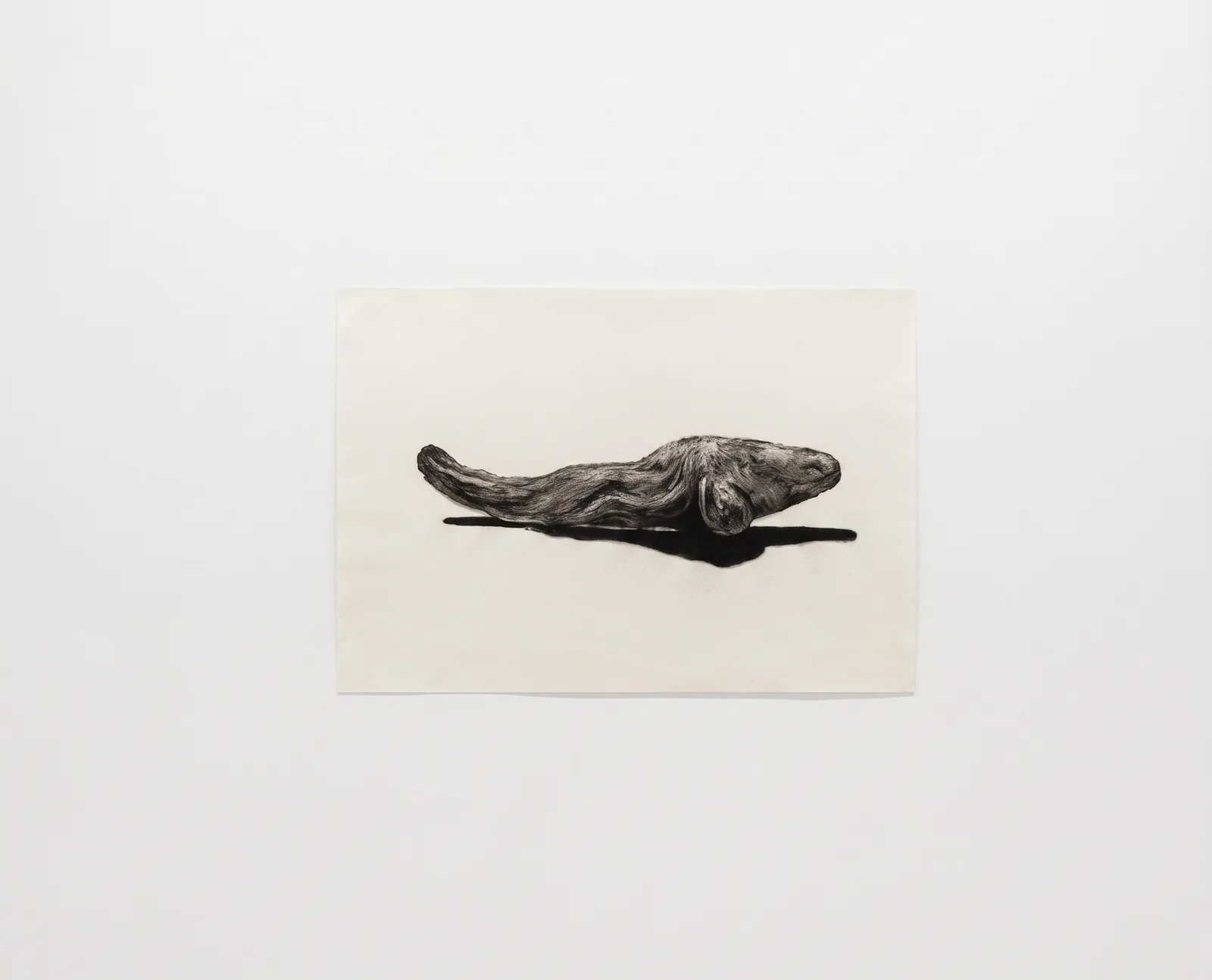
Storyboard does not illustrate that film; it expands it through other media. The charcoal drawings and previously unseen sculptures gathered here function as an archive of the fantastic, that place where a diffuse memory finds material form before becoming fixed as an image.

The drawings unfold a dreamlike world made of minerals, animal bodies and vegetal motifs. The sculptures, close to the theriomorphic, offer volumes halfway between creature and raw matter, possible forms seeking to exist in probable places.

Between these two disciplines circulates the same intuition: to keep alive what memory threatens to dissolve, without forcing its translation.

The relationship with shamanism is not taken for granted. Juan Aizpitarte does not document a rite, nor does he appropriate an imaginary world. For years, he has observed the gestures, ceremonies and cults that converge within this field, allowing that observation to settle equally into drawing, sculpture and the editing of the film.

To work with memory is to accept subjective reality as a principle of objectivity, and to trust the processes that unfold between wakefulness and dream.

Storyboard is a literal title. Each work is a possible shot, an audiovisual idea released into the space of the gallery, where objects and images allow for multiple narratives without imposing any one in particular.

What is shown is not the result of a film, but its parallel thought, that pleasure of creation which precedes the project and exceeds it. A fertile ground for what is still to come.

Visit gallery

29 > 31 Mai 2026

Programme

Learn more
Friday

29.05

17:30-21:00

Opening

Saturday

30.05

11:00-19:00

Sunday

31.05

11:00-14:00

Irekiak

Irekiak Gallery Weekend is the official Donostia gallery weekend. Launched in 2021, organised by DAGGE, Tabakalera, DonostiKultura and Kutxa Fundazioa.

Learn more

Contact

Address
Alkolea Pasaia 1 · 20012 Donostia

Organisers

DAGGETabakaleraDonostiKulturaKutxa Fundazioa

With support from

Donostia / San SebastiánSan Telmo MuseoaEl Águila